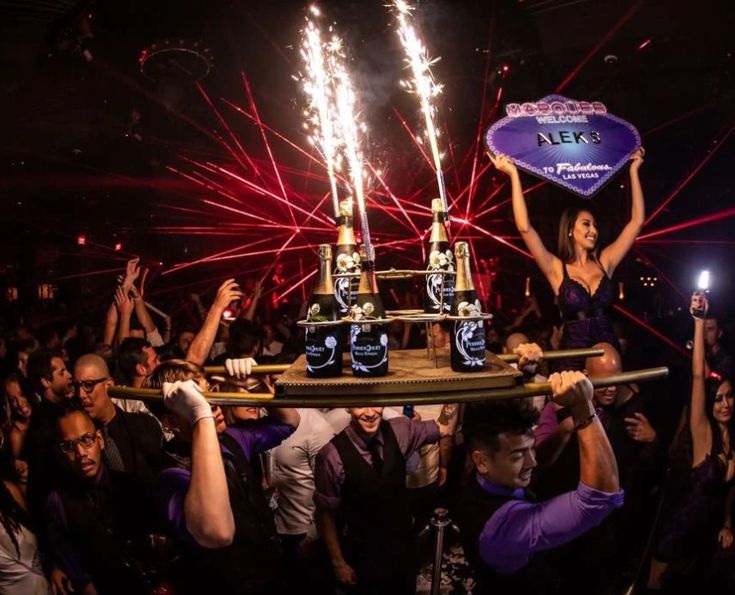
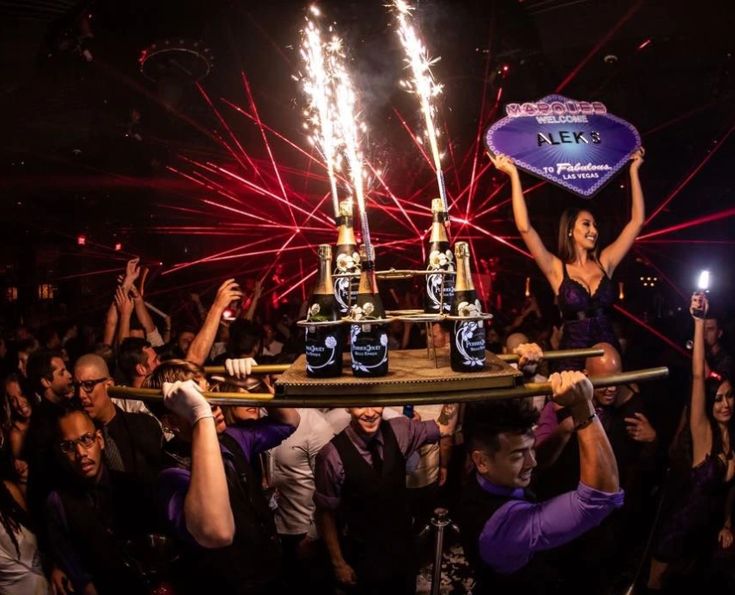
As the DJ spins the latest Arbantone and Amapiano hits, the party scene in Kilimani comes alive with a familiar spectacle. A procession of bottle girls cuts through the buzzing crowd, carrying an extravagant display of champagne bottles perched on a tray, sparklers blazing like mini fireworks. The crowd erupts, cameras flash, and for a moment, all attention is on this dazzling delivery. In Nairobi’s nightlife, it’s more than just a drink—it’s a status symbol.
But behind the glamour, there’s one constant at these celebrations: water. Whether it’s a high-end imported brand or a basic bottle, water is an essential companion to every reveler. Now, picture this: you walk into that bar in Kilimani or Westie, order your favorite drink, and… they hand you free water—no charge, no conditions. Sounds unbelievable, right? But in Australia, this is the norm, thanks to strict laws mandating it.
Now, imagine the uproar if such a rule were to be enforced in Kenya. Could it bring the bar industry to its knees? Let’s find out why this seemingly simple policy would shake Kenya’s nightlife to its core.
In Australia, offering free drinking water at bars isn’t just good hospitality—it’s the law. Bars and clubs are required to provide free water to patrons during trading hours, either from coolers, dispensers, or pitchers on the counter. The goal? To promote responsible drinking and reduce alcohol-related harm.
Failing to comply comes with heavy fines that can dent a bar’s reputation and finances. While Aussies see this as a public health victory, such a law would leave bar owners in Nairobi scratching their heads. After all, in Kenya, water isn’t just a convenience—it’s a cash cow.
In Kenya, water isn’t handed out for free—it’s a premium commodity, especially in Kilimani and Westlands, where the nightlife is vibrant. A bottle of water costs anywhere between 100 Ksh and 400 Ksh, depending on the bar’s location and clientele. And it sells—fast.
Whether it’s used as a ‘chaser’ to the expensive cognac drink, to drink in between high-end cocktails, hydrate after rounds of drinks, or sober up before heading home, water is essential. For many bars, water sales aren’t just a side hustle; they’re a key revenue stream, helping to cover operational costs and keep the party alive.
Now imagine if Nairobi’s bars were forced to provide water for free. The losses would be staggering.
Australia’s free-water policy prioritizes public health, encouraging patrons to drink responsibly and reduce the risks associated with excessive alcohol consumption. But Nairobi’s bar scene operates in an entirely different dynamic. Here, water is more than hydration—it’s a status symbol (brands mean something to some revelers), a necessity, and, most importantly, a lucrative business.
While free water might sound like a noble idea, implementing such a law in Kenya would require bars to rethink their entire business models. Would they survive the change? Or would they be forced to scale up on luxuries like champagne parades and sparklers?
For now, the sparkling parades in Kilimani and Westie remain safe, with water firmly on the bill. But the thought of free water laws highlights the stark contrasts between two nightlife cultures—one driven by public health, the other by economic survival. And if this rule ever crossed the Indian Ocean to Nairobi, one thing’s for sure: the party might never be the same again. Until then, Kenyans will keep paying for every drop—and bar owners will keep toasting to the profits.
 Diasporic Musing