
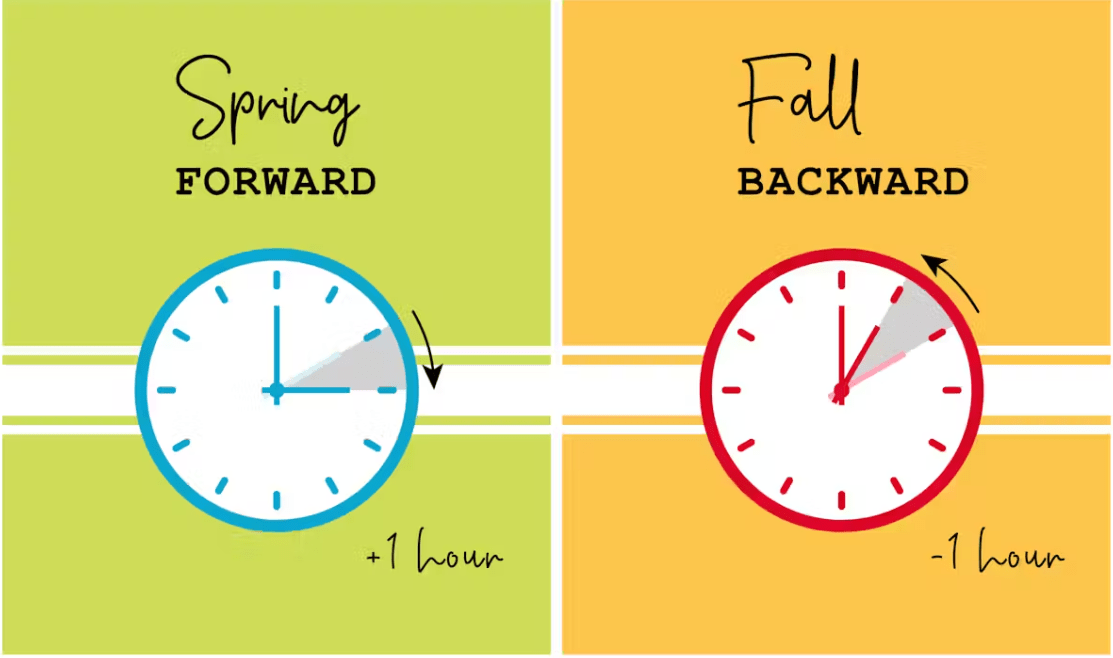
Yesterday, a friend casually mentioned that daylight saving was happening, and we’d be losing one hour just like that—poof! From 1:59 a.m., the clocks would jump straight to 3 a.m., skipping 2 a.m. entirely. I was fascinated, but also slightly skeptical. I mean, how can an entire hour just vanish into thin air?
I felt like a kid waiting for Santa Claus on Christmas Eve. Or maybe like someone waiting for an eclipse, trying to witness something rare and magical. So, of course, I decided to stay up late to see it for myself.
1:50 a.m.: I sat there, staring at my phone clock, anticipation building. What’s going to happen? Is the universe going to glitch? Will I see some dramatic cosmic event? Phone in hand, heart racing. I decided to screen record my clock, just to capture the magic in real-time and share it with my family. They would not believe, they were not prepared for the mind-blowing news I was about to send their way.
1:58 a.m.: My excitement was building. The suspense was killing me. My eyes were glued to the screen, wondering what was about to happen. I knew something spectacular was about to happen.
1:59 a.m.: I was practically holding my breath. I could feel my heart racing. Is it really going to skip?
And then… BOOM!
3:00 a.m.
Wait—what?!
Where did 2 a.m. go? It was as if 2 a.m. had been wiped from existence! It vanished! It was like watching a magician pull a rabbit out of a hat, except this time, the rabbit was an hour of my life. I sat there, dumbfounded, almost waiting for a punchline or an explanation. But nope, that was it. Daylight saving time had happened, and an hour was gone. Just like that. I quickly send the video to my family back home convinced they’d be equally amazed by this time warp. The responses? Mostly confusion. “What do you mean, 2 a.m. disappeared?!”

What is Daylight Saving Time (DST)?
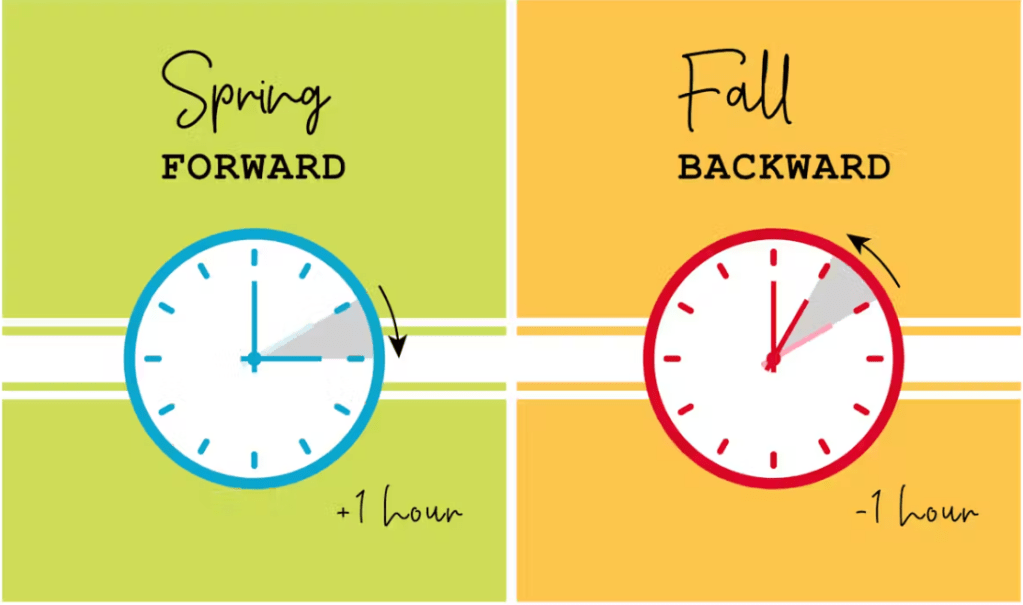
Are you confused as my family was? Let’s put it in simple terms. I’m not exactly a clock expert, but here’s how it works in simple terms. Daylight Saving Time (DST) is this funky system where we adjust our clocks forward by one hour in spring to make better use of daylight in the evenings. In Australia (and many other parts of the world), we “spring forward” in October and lose an hour, then “fall back” in April and gain that hour back. It’s like a temporary time shift to soak in more sunshine.
So, during DST, when 1:59 a.m. hits, the clock jumps to 3 a.m. instead of 2 a.m., effectively cutting out one hour of time. The idea is to shift more daylight to the evening hours and make the most of that extra sunshine. It’s like a government-approved time heist.
What’s the payoff, you ask? Well, we get longer, brighter evenings—perfect for barbecues, evening strolls, or that extra hour of lounging around. But on the downside, it messes with your internal body clock, and you might feel a little disoriented, like you’ve just been fast-forwarded into the future. And let’s be honest, losing an hour of sleep feels like losing a small piece of your soul.
The Aftermath
The morning after, I felt like I had time-traveled. One hour of my life was just gone. Vanished. I didn’t even get a chance to say goodbye to it. But hey, now that I know how daylight saving works, I can proudly say I’ve lived through the great “Hour Vanishing Act” and come out on the other side—only slightly confused.
 Diasporic Musing