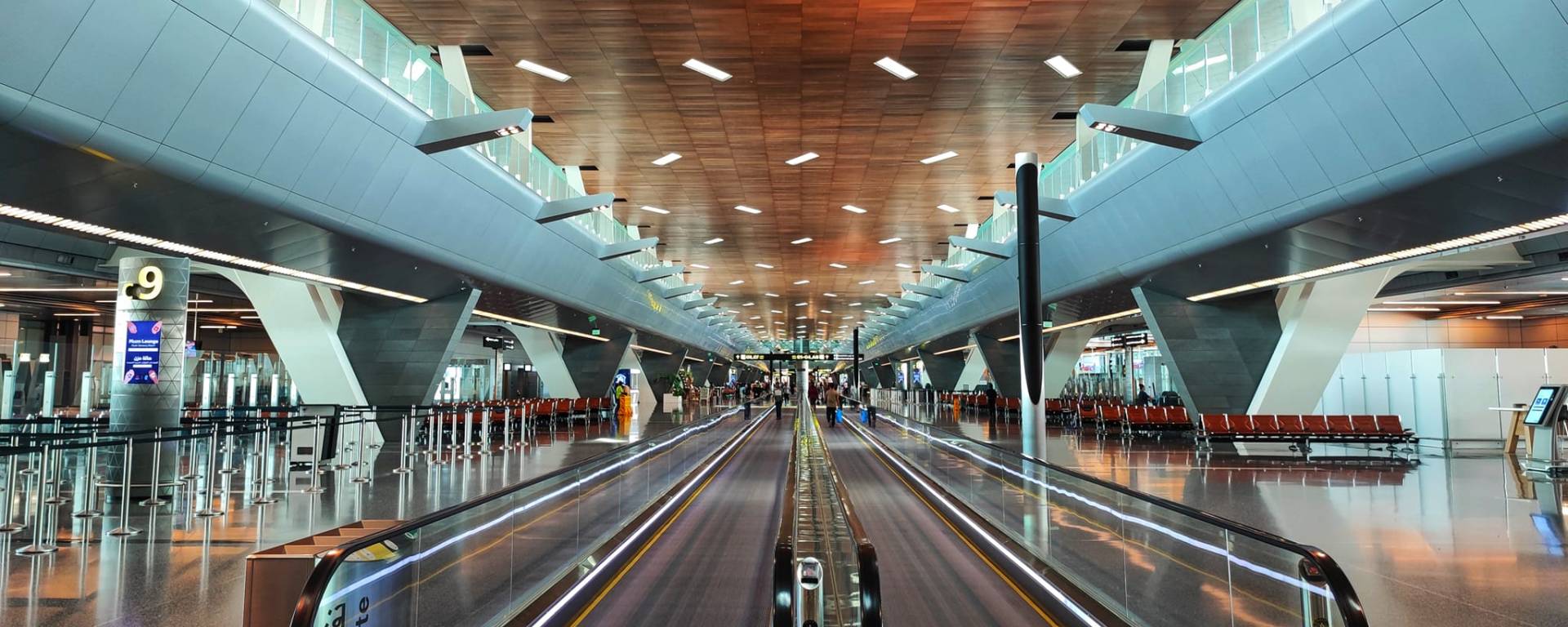
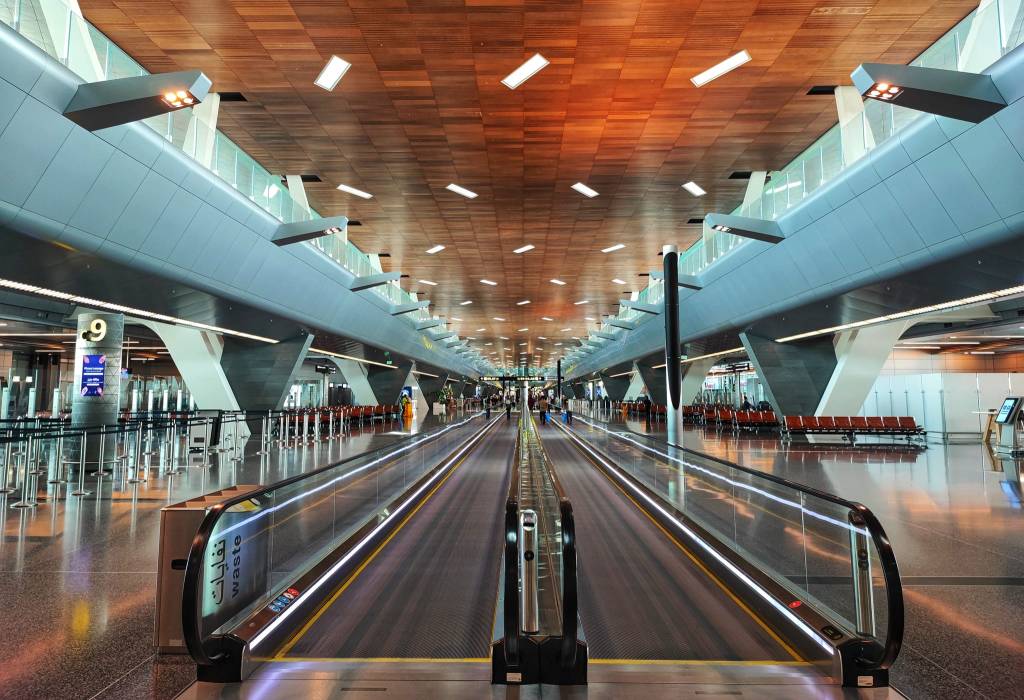
I left Nairobi for a 38-hour journey, bracing myself for the long haul ahead. After a relatively smooth six-hour flight, I landed at Hamad International Airport, staring down the barrel of a 20-hour #layover. With five hours still to go, the reality of my situation is sinking in: I’m confined to this sprawling airport, much like a prisoner in a gilded cage.

To pass the time, I’ve explored every corner of the terminal. Hamad International is nothing if not impressive. My first stop was the airport garden, a serene oasis with lush green spaces that make me forget, if only for a moment, that I’m in the middle of an airport. The tranquility of the garden provides a brief respite from the hustle and bustle of travelers rushing to their gates.
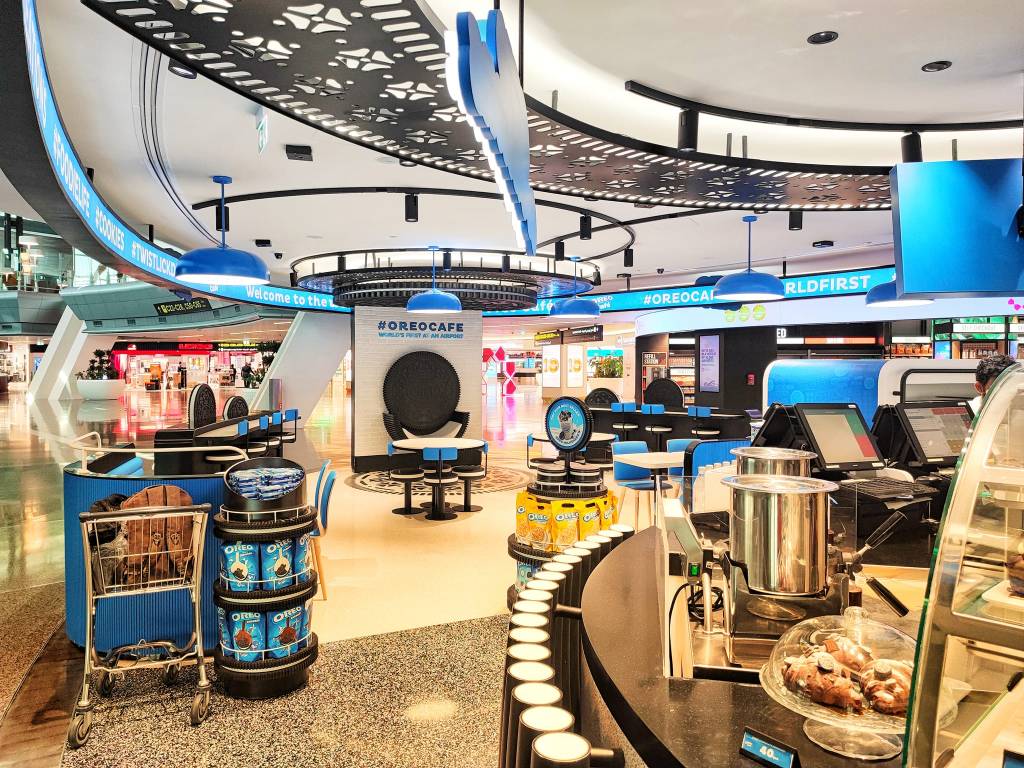
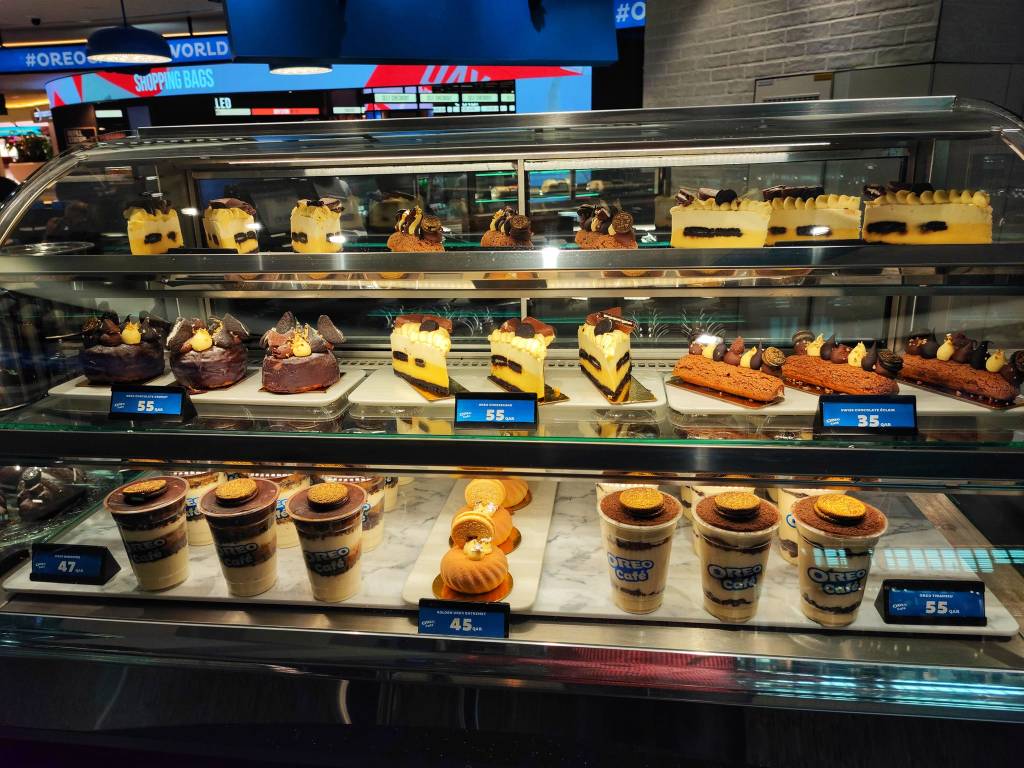
Next, I stumble upon the world’s first #OREOCAFE where I also, coincidentally, stumble upon a longtime friend Isaac, who for a moment turns into my photographer in this beautiful space. The café is a whimsical escape, offering every imaginable Oreo-themed treat. I would have loved to indulge in an Oreo milkshake, which would have been both a delight and a small consolation for the long wait ahead, but, the prices will have you taking a loan to just enjoy that treat.
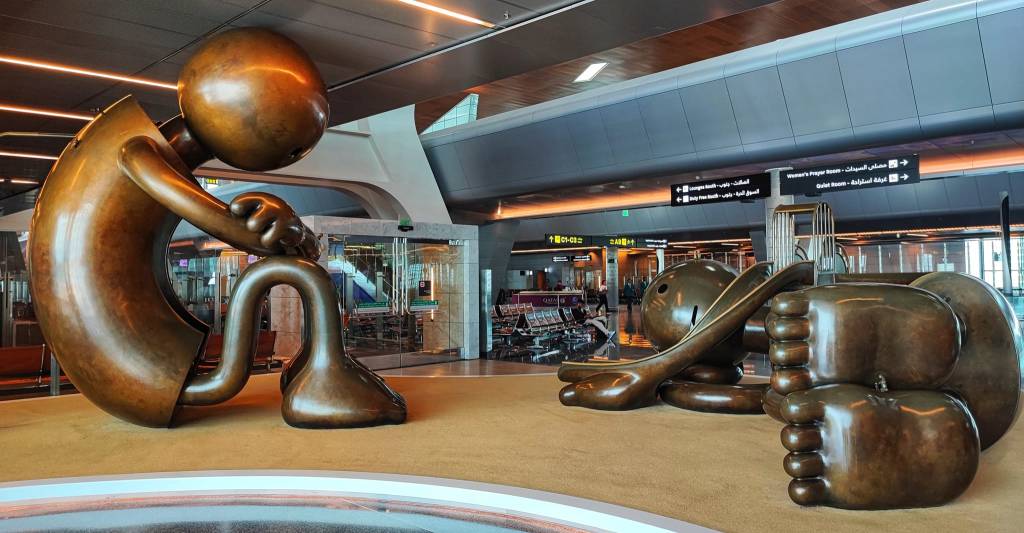
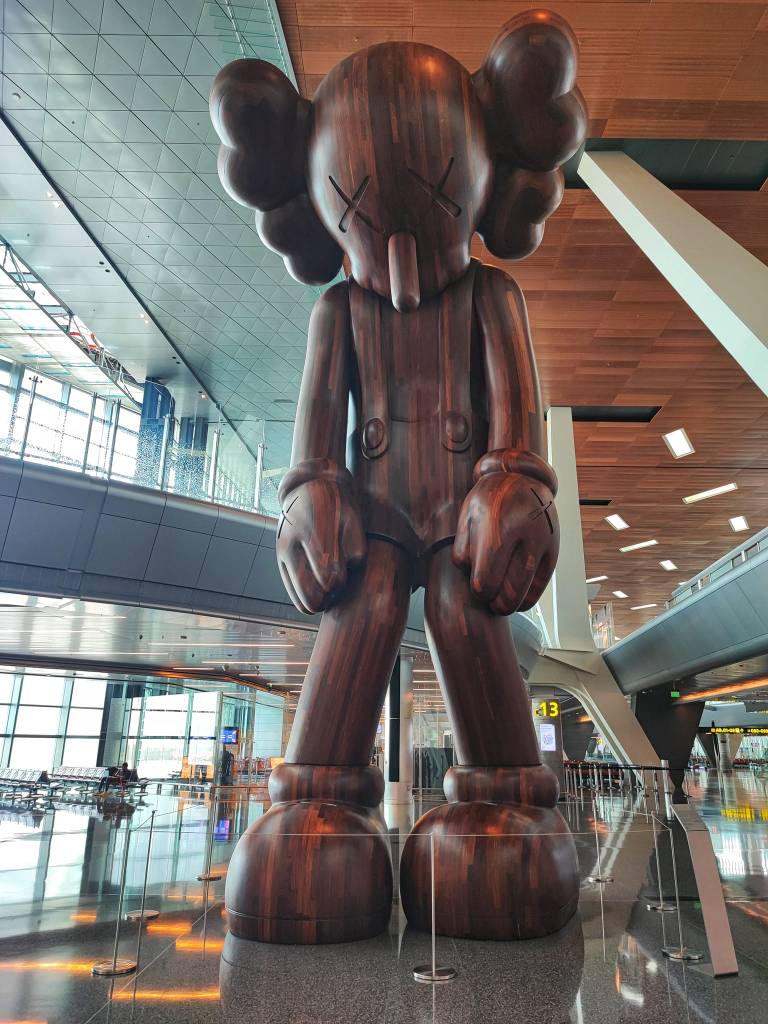
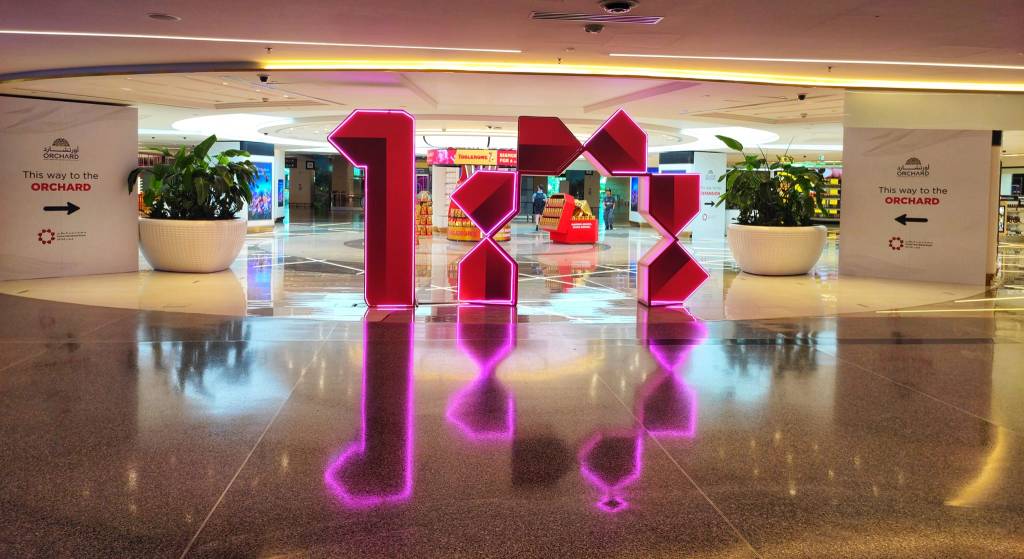
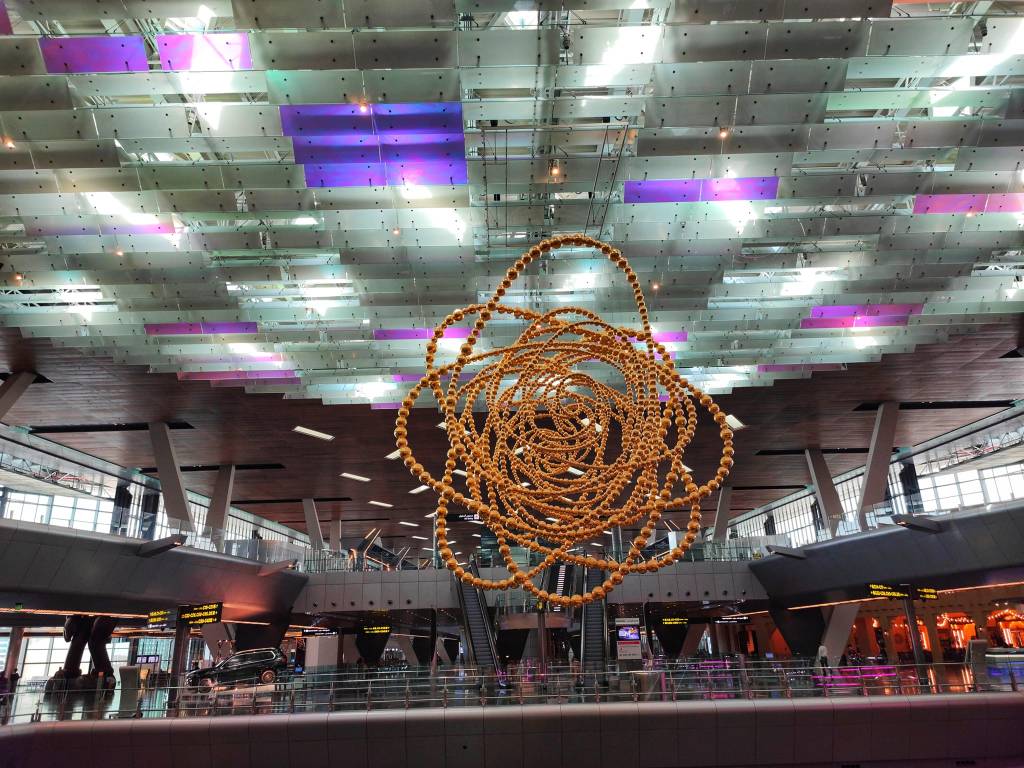
My stroll through the airport also leads me to a series of striking statues and art installations. These pieces add a touch of culture and creativity to my enforced stay, making the airport feel like a grand gallery. Each statue and artwork tells a story, momentarily transporting me away from my layover limbo.
Despite these distractions, the similarities between an airport layover and a prison sentence are hard to ignore. I’m confined within the glass walls of the terminal, unable to step outside without risking my next flight. The shops and restaurants, while varied and numerous, offer comforts at a steep price. A simple bottle of water or a sandwich requires handing over an amount that seems almost criminal.
Security personnel are omnipresent, their watchful eyes reminding me that I’m constantly under surveillance. Much like guards in a prison, they ensure that every movement is monitored, every action regulated. The sense of being watched, combined with the knowledge that I can’t leave, adds to the feeling of being trapped.
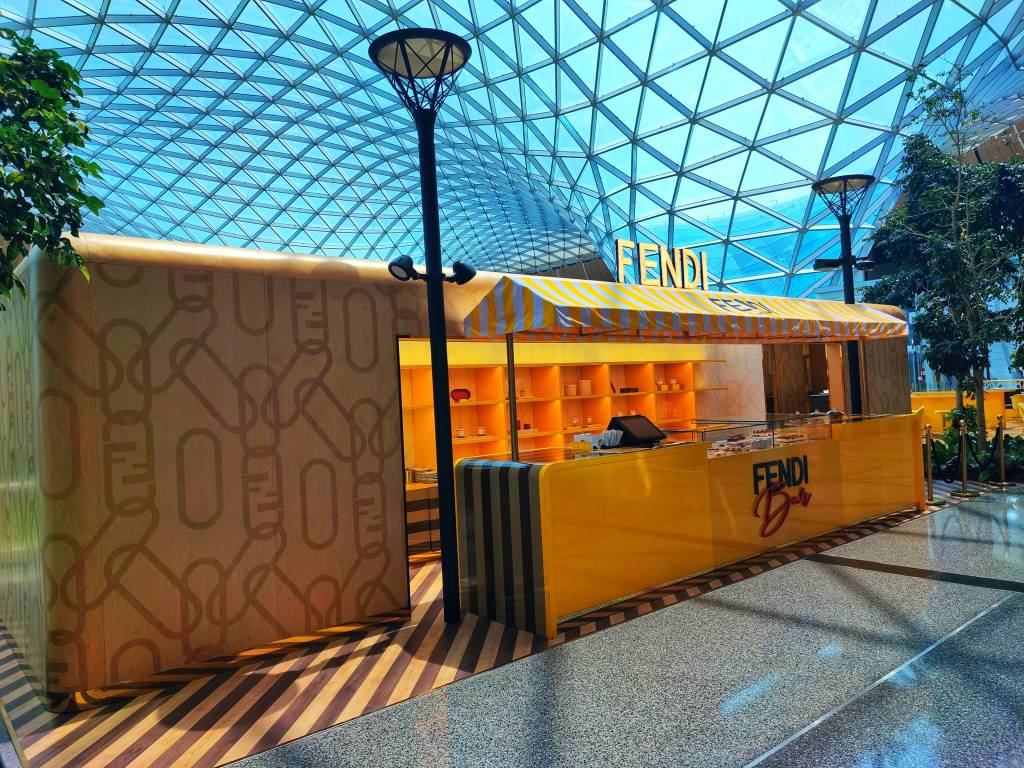
As I wander from shop to shop, I notice the limited seating options. Comfortable chairs are few and far between, and finding a quiet place to rest is a challenge. Inmates in prison make do with their sparse amenities, and here I am doing the same, trying to find a corner to call my own for the next few hours.
Time, the cruelest warden, drags on. I find myself checking the clock incessantly, willing the hours to pass more quickly. Inmates count down their days to freedom, and I am counting down the minutes to my next flight. The waiting is a test of patience and endurance, a slow crawl toward the finish line.
The people around me are fellow travelers, each enduring their own layover sentences. Our interactions are fleeting, superficial. Like inmates in a prison, we share a temporary bond, knowing that soon we will part ways, each continuing on our separate journeys.
As the hours tick by, I realize that while the stakes are vastly different—my layover is a temporary inconvenience, not a life-altering imprisonment—the psychological experience bears surprising similarities. Both scenarios strip away freedom, impose strict rules, and make us pay dearly for small comforts.
With five more hours to go, I’m finding solace in knowing that my layover is just a temporary pause. The confinement will end, and freedom is within reach. Next time you find yourself stuck in an airport for hours on end, remember that your layover is just a temporary interruption. Take comfort in the fact that, unlike a prison sentence, your freedom is only a flight away. AND REMEMBER, DON’T GO TO PRISON.
 Diasporic Musing